
Pet sitter vs boarding vs a friend: which is right for your pet?
 By Darcie Nolan
For most cats and many dogs, an in-home pet sitter is the least stressful choice, because your pet keeps their own home, smells and routine. Boarding can suit healthy, social dogs who enjoy company, at a kennel you have visited. A trusted friend works for short, simple trips, as long as they can follow your routine exactly.
Key takeaways
- For most cats and many dogs, an in-home pet sitter is the least stressful choice, because the pet keeps its own home, smells and routine.
- AnimalKind, the BC SPCA accreditation program, says pet care services are unregulated in B.C., and its standards for boarding are voluntary.
- AnimalKind suggests asking a dog boarding kennel how many dogs each caregiver handles, and recommends no more than 10.
- Cats Protection says keeping your cat at home is the safest and least unsettling option when you go on holiday.
- The Merck Veterinary Manual lists boarding among the stresses that can lead to a cat not eating, which in overweight cats can set the stage for hepatic lipidosis.
This guide has affiliate links to Amazon.ca. As an Amazon Associate, Stay Sit Snuggle earns from qualifying purchases, at no extra cost to you. How affiliate links work here.
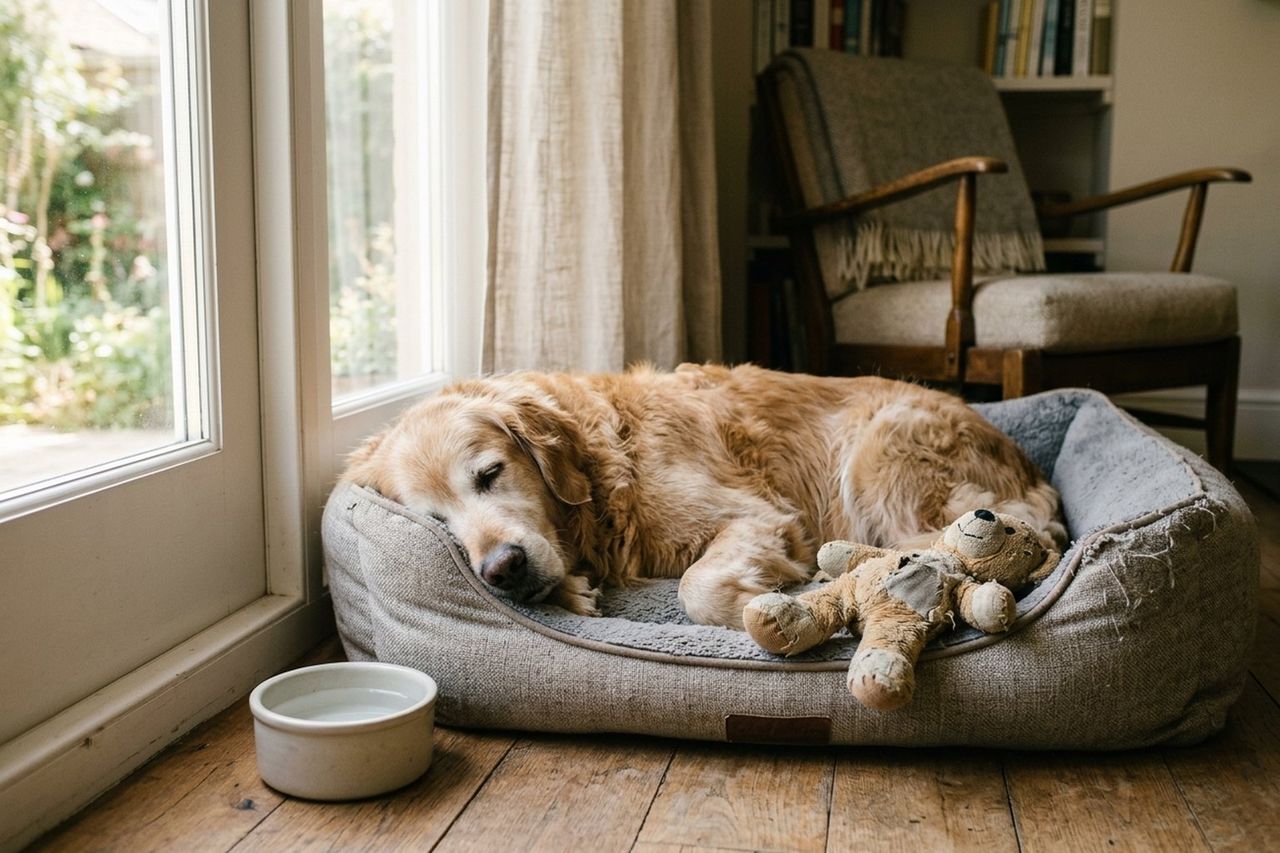
When you go away, your pet has three main options. They can stay at a boarding kennel or cattery. They can stay home with a pet sitter. Or a friend or family member can look after them. Each one can work well. The right choice depends on your pet, your trip and the people you trust.
Pet sitter vs boarding vs a friend: how do they compare?
Here is the short version. The biggest difference is where your pet sleeps, and whose routine they follow.
| In-home pet sitter | Boarding kennel or cattery | Friend or family member | |
|---|---|---|---|
| Where your pet sleeps | Their own home and bed | A kennel, pen or room at the facility | Your home, or theirs |
| Daily routine | Stays the same | Follows the facility’s schedule | Depends on how well they follow your notes |
| Other animals | Only your own pets | Other boarders nearby | Maybe their pets, if your pet goes to them |
| Vaccination records | Keep your vet’s details handy | A good kennel asks for them | Up to you |
| Who checks on your pet | The sitter | Staff, on the facility’s schedule | Whoever has time |
| Often suits | Cats, seniors, nervous pets, homes with several pets | Healthy, social dogs who enjoy company | Short trips and simple routines |
No option is right for every pet. A calm, social dog may love a good kennel. A shy cat may hide in a new place. Think about your own pet first.
When is a pet sitter better than a kennel?
A pet sitter is often the gentler choice when change is hard for your pet. Your pet keeps their own smells, their own window and their own bed. Meals happen in the same bowl, in the same spot.
A sitter tends to suit:
- cats, who are often attached to their territory
- senior pets who find change tiring
- nervous pets who hide around new people or new places
- homes with more than one pet, who can all stay together
- pets on a set feeding or care schedule
House sitting has a second benefit. Someone is living in the home, so the lights go on at night and the house is looked after while you are away. If you want to compare sitters, my guide on how to find a pet sitter you can trust walks through it step by step.
Is boarding stressful for dogs?
It depends on the dog. Many social, healthy dogs settle in well at a good kennel. Others find the noise and the change hard. The AnimalKind program from the BC SPCA names signs of stress for staff to watch for in boarded dogs, “such as fearfulness, excessive barking or excessive chewing.”
A well-run kennel plans for this. AnimalKind suggests asking questions like these before you book dog boarding:
- How many dogs per caregiver? (It recommends no more than 10.)
- How many hours will your dog be in a crate?
- Does the daily schedule include exercise and social interaction?
- Are welfare checks done at least four times a day?
- How are dogs monitored overnight?
- Do they ask for your dog’s vaccination and parasite prevention status?
The BC SPCA (September 2026) adds one more check. Good providers use “food, treats, and play” to help pets feel comfortable, not punishment. Ask the kennel which vaccines it requires, and visit before your trip.
So when does dog boarding beat house sitting? When your dog loves other dogs, travels well and is in good health, a kennel you have visited can be a happy stay.
Is boarding stressful for cats?
For many cats, yes. Cats tend to be most settled in a place they know. Cats Protection, a cat welfare charity, puts it plainly: “Keeping your cat at home is the safest and least unsettling option when you go on holiday.”
That does not rule out a cattery. Cats Protection also says that for cats who are comfortable away from home and with strangers, “catteries can provide a great alternative but be sure to choose carefully.” For cat boarding, AnimalKind suggests asking:
- Are cats housed separately from dogs?
- Is there a hiding space and a perching space?
- Can your cat eat and sleep away from the litter box?
- What do staff do if a cat stops eating or hides a lot?
Food matters most of all. The Merck Veterinary Manual lists boarding, moving to a new household and new pets among the stresses that can lead to a cat not eating. In overweight cats, not eating can set the stage for a serious liver condition called hepatic lipidosis. If your cat stops eating, call your vet.
Pet sitter or cattery?
If your cat is shy, older or set in their ways, a pet sitter is usually the easier choice. If your cat is relaxed and social, a carefully chosen cattery can work. My post on how long you can leave a cat alone covers the in-between option of short visits.
When is a friend or family member enough?
A friend can be a lovely option for a short trip, especially if your pet already knows and likes them. Cats Protection suggests that a cat sitter, “either a friend, neighbour or family member,” should visit “at least twice a day.”
A friend works well when:
- the trip is short
- your pet’s routine is simple
- your friend lives close by and has time every day
- your pet needs no medication or special care
It gets harder on long trips, over holidays when everyone is busy, or with pets who need care at set times. For dogs, my guide on how long you can leave a dog alone covers how long is too long. Whoever you choose, leave written notes, your vet’s number and an emergency contact.
What should you ask, whichever you choose?
Ask questions before you hand over the keys, whether it is to a kennel, a sitter or a neighbour. Meet the person who will care for your pet. Watch how they greet your pet. Trust your gut if something feels off.
For a full list, see 12 questions to ask a pet sitter before you book. The FAQ page answers common questions about how bookings work.
How does in-home pet sitting work with Stay Sit Snuggle?
I offer in-home pet sitting and house sitting for cats and dogs on Vancouver Island and in Vancouver and Edmonton. On the Island, that includes Nanaimo and Ladysmith and Courtenay, Comox and Cumberland.
Before any booking, I come to your home for a meet and greet. Your pets get to know me, and I learn their food, habits and quirks. While you are away, I stay overnight in your home, so your pets keep the same routine.
I post my availability by date ranges, and I am already taking bookings into 2027. If you are still deciding between a sitter and boarding, read how my pet sitting works or send me your dates.
Everything in this guide
Affiliate links to Amazon.ca. Prices and sizes change, so check the listing before you buy.
 HideawayMEOWFIA felted wool cat caveSee it on Amazon.ca
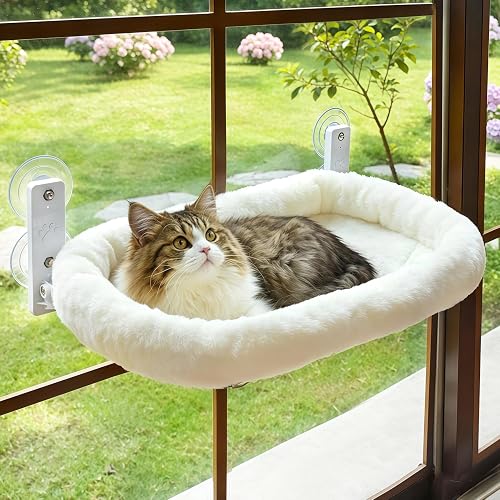 Window perchAMOSIJOY cordless cat window perchSee it on Amazon.ca
 BedMora Pets self-warming matSee it on Amazon.ca
 Pheromone diffuserFELIWAY Classic diffuser starter kit for catsSee it on Amazon.ca
 Pheromone diffuserADAPTIL Calm diffuser starter kit for dogsSee it on Amazon.ca
Questions people ask
Are pet boarding kennels regulated in B.C.?
No. AnimalKind, the BC SPCA accreditation program, says "Pet care services are unregulated in B.C." Its standards for boarding, daycare, grooming and dog walking are voluntary, so ask a kennel whether it follows them.
Can a pet sitter be AnimalKind accredited?
AnimalKind standards cover boarding, daycare, grooming and dog walking. In-home pet sitting is not on that list, so for a sitter, ask your own questions and meet them before you book.
How far ahead should I book a kennel or a sitter?
Early. Cats Protection advises booking a cattery "far in advance" and booking a cat sitter early, with a backup person in case of a cancellation.
What if my pet takes medication?
Tell any carer before you book. Cats Protection suggests checking that a sitter has experience with medication or special care, and asking a cattery whether it will give the medication your cat needs.
Sources
Published
Going away? Ask about your dates
Send your dates, your town and a note about your pets. Darcie will reply to confirm availability and set up a meet and greet.